
Acne scars, stretch marks, loose skin, uneven texture. One treatment addresses all four. MNRF treatment has become a go-to option in dermatology precisely because it targets so many concerns at once.
This guide explains how MNRF works, its key indications, and what to expect at Dr. Pankti’s REVIVE in Borivali.
What Is MNRF?
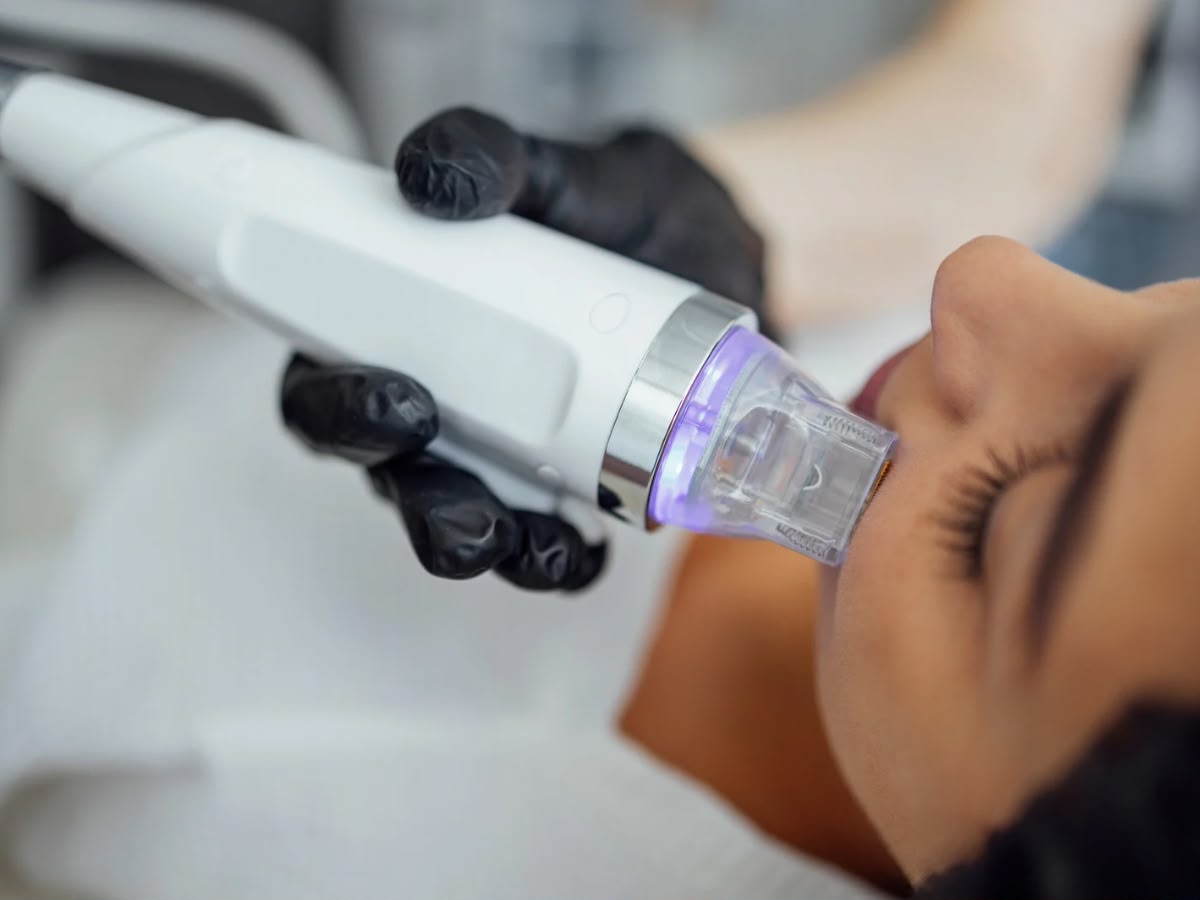
MNRF stands for Micro-Needling Radiofrequency. It combines two proven technologies: fine needles that create controlled micro-injuries, and radiofrequency energy delivered directly through those needles into the deeper skin layers.
Because the needles create a channel first, the radiofrequency energy reaches the dermis precisely. As a result, it triggers collagen remodeling with far less surface damage than many laser treatments.
For a detailed clinical explanation of the technology, this peer-reviewed review of fractional microneedle radiofrequency covers the science in depth.
How MNRF Works on the Skin
- Fine needles create controlled micro-injuries at an adjustable depth
- Radiofrequency energy passes through the needles into the dermis
- This creates controlled heat, triggering immediate collagen contraction
- Over the following weeks, fibroblasts activate and rebuild new collagen and elastin
Because needle depth is adjustable, treatment can be customised precisely. So it works well for different concerns and skin thicknesses alike.
MNRF causes far less surface disruption than many ablative lasers, since the epidermis is only minimally affected. This makes it a safer option for pigmented and sensitive skin types, including many Indian skin tones.
MNRF Treatment: Key Indications
MNRF is valued precisely because it addresses so many different concerns with one technology.
- Acne scars, including many boxcar and rolling scar types
- Stretch marks (striae)
- Fine lines and early wrinkles
- Skin laxity and mild sagging
- Enlarged pores
- Uneven skin texture
- Melasma and pigmentation, in select cases
- Hair thinning, often combined with PRP for enhanced results
Because the underlying mechanism, collagen remodeling, applies broadly, MNRF suits a wide range of skin concerns. So it isn’t limited to just one issue.
Which Concern Responds Best?
| Concern | Why MNRF Helps |
| Acne scars | Breaks down fibrous scar tissue while stimulating new collagen to fill depressions |
| Stretch marks | Remodels collagen in the affected dermis, improving texture and colour over sessions |
| Skin laxity | Heat-triggered collagen contraction firms and tightens treated areas |
| Enlarged pores | Collagen remodeling around the pore lining reduces visible pore size |
| Hair thinning | Micro-injuries stimulate scalp circulation and support follicle response, especially combined with PRP |
What to Expect During Treatment
- A consultation to assess your skin and confirm suitability
- A topical numbing cream applied 30–60 minutes before treatment
- The MNRF device passed over the treatment area at a customised depth
- A sensation of warmth or mild pressure during the session
- Mild redness afterward, similar to a mild sunburn
Most sessions take 30 to 60 minutes, depending on the treatment area and concern.
How Many Sessions Are Needed?
This depends on your specific concern and its severity. Acne scars and stretch marks often need a series of sessions spaced several weeks apart.
- Acne scars: often 3–6 sessions for meaningful improvement
- Skin laxity and texture: typically 3–4 sessions
- Maintenance sessions may be recommended periodically to sustain results
So patience matters here, because results build gradually as your body produces new collagen.
Results Timeline
- Weeks 1–2: Initial redness settles, skin may look slightly brighter
- Weeks 3–6: Texture improvement becomes more noticeable
- Months 2–4: Continued collagen remodeling improves scars and laxity further
- After multiple sessions: Cumulative improvement in texture, scarring, and firmness
Is MNRF Safe?
When performed by trained professionals with properly calibrated equipment, MNRF treatment is considered a safe, well-studied procedure across many skin types.
Temporary side effects can include redness, mild swelling, or pinpoint bleeding at the treatment site. Usually, these resolve within a few days.
Aftercare Tips
- Apply sunscreen diligently, since treated skin is more sun-sensitive
- Avoid makeup for the first 24 hours after treatment
- Use gentle, fragrance-free skincare for the first few days
- Avoid saunas, hot showers, and intense exercise for a day or two
- Stay hydrated to support your skin’s natural repair process
Who Is a Good Candidate for MNRF?
- Those with acne scars, stretch marks, or textural concerns
- People wanting mild skin tightening without surgery
- Most skin types and tones, since MNRF causes minimal surface disruption
- Those seeking gradual, natural-looking improvement over time
A consultation confirms suitability, especially for active skin infections, certain medications, or specific medical conditions that may need to be addressed first.
Common Myths About MNRF
| Myth | Fact |
| MNRF only treats acne scars. | It addresses a wide range of concerns, including stretch marks, laxity, pores, and hair thinning. |
| Results are visible immediately. | Results build over weeks to months as collagen remodels; one session isn’t the full picture. |
| It’s not safe for darker skin tones. | Because it causes minimal epidermal disruption, MNRF is generally considered suitable for a wide range of skin tones. |
| MNRF is the same as regular microneedling. | Regular microneedling doesn’t use radiofrequency energy, so it works less deeply than MNRF. |
| One session is enough for scars. | Most acne scars need a series of sessions for meaningful, lasting improvement. |
Combining MNRF with Other Treatments
Many patients pair MNRF with complementary treatments depending on their goals.
For pigmentation or dullness alongside scarring, our guide on how chemical peels work explains how peels support skin renewal alongside MNRF.
For hair thinning specifically, our comparison of GFC vs PRP hair treatment explains how these are often combined with MNRF for the scalp.
Frequently Asked Questions
Does MNRF hurt?
Most people feel warmth or mild pressure rather than significant pain, especially with numbing cream applied beforehand.
How many sessions will I need?
This depends on your specific concern. Acne scars often need 3–6 sessions, while other concerns may need fewer.
Is there downtime after MNRF?
Mild redness is common for a day or two, similar to a light sunburn. Most people resume normal activities the next day.
Can MNRF help with hair loss?
Yes. It’s often combined with PRP to stimulate scalp circulation and support follicle response in thinning areas.
Is MNRF suitable for all skin tones?
Generally yes, since it causes minimal surface disruption. A consultation confirms suitability for your specific skin.
How soon will I see results?
Initial improvement may appear within a few weeks, with fuller results developing over 2 to 4 months as collagen rebuilds.
Final Thoughts
MNRF treatment stands out because it addresses so many concerns with one underlying mechanism: controlled collagen remodeling. With the right indication and a personalised plan, it can meaningfully improve scars, texture, laxity, and more.
Book Your MNRF Consultation Today
If you’re curious whether MNRF suits your skin concern, the team at Dr. Pankti’s REVIVE Skin, Aesthetic, Laser & Hair Clinic in Borivali can assess your skin and build the right treatment plan for you.
Clinic: Dr. Pankti’s REVIVE Multispeciality Clinics
Location: Borivali, Mumbai, Maharashtra
Call: 9619758202