
Why Am I Still Getting Acne as an Adult?
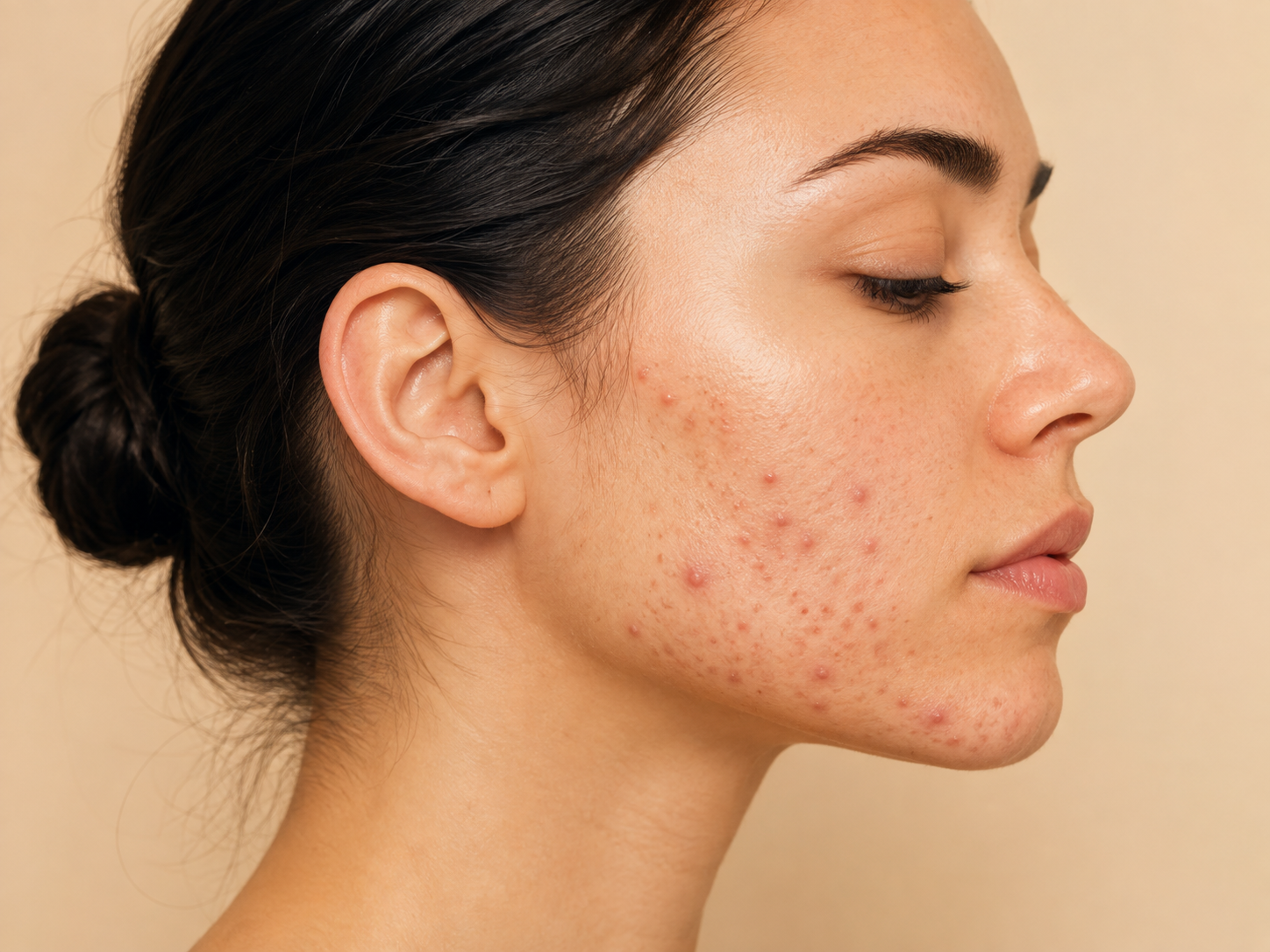
Breakouts were supposed to stay in your teenage years. Yet many women and men in their 20s, 30s, and even 40s continue to deal with pimples, especially along the jawline and chin. This is called adult acne, and it’s far more common than most people realise.
Adult acne isn’t just “leftover” teenage acne. It often has different triggers, shows up in different areas of the face, and needs a different treatment approach. This guide explains what causes adult acne and how it’s treated at Dr. Pankti’s REVIVE in Borivali.
What Is Adult Acne?
Adult acne refers to breakouts that occur after age 25, or teenage acne that never fully resolved. It can appear as blackheads, whiteheads, red bumps, or deeper, painful cystic breakouts.
It affects women more often than men, and is commonly linked to hormonal fluctuations rather than the oil-and-bacteria pattern typically seen in teenage acne.
Teenage Acne vs. Adult Acne
| Aspect | Teenage Acne | Adult Acne |
| Common area | Forehead, nose, cheeks (T-zone) | Jawline, chin, lower face |
| Main trigger | Puberty-related oil changes | Hormones, stress, lifestyle |
| Typical pattern | Widespread breakouts | Cyclical, often around periods |
| Skin texture | Often oilier overall | Can be oily and dehydrated together |
Common Causes of Adult Acne
Hormonal Fluctuations
Hormonal changes around the menstrual cycle, pregnancy, or perimenopause can trigger breakouts, particularly along the jawline and chin.
PCOS and Thyroid Disorders
Conditions like PCOS or thyroid imbalance can cause persistent acne alongside irregular periods, weight changes, or hair thinning. If this sounds familiar, it’s worth reading our guide on PCOS and getting evaluated.
Chronic Stress
Stress raises cortisol levels, which can increase oil production and inflammation in the skin.
Diet and Lifestyle
High-sugar, high-dairy diets have been linked to acne flare-ups in some people, though the connection varies from person to person.
Cosmetic Products
Heavy, comedogenic makeup, sunscreens, or hair products can clog pores, especially along the hairline and jaw.
Genetics
A family history of adult acne increases the likelihood of experiencing it yourself.
Certain Medications
Some medications, including certain contraceptives, steroids, or supplements, can trigger or worsen breakouts.
Types of Adult Acne
- Comedonal acne — blackheads and whiteheads from clogged pores
- Inflammatory acne — red, tender bumps caused by inflammation
- Cystic acne — deep, painful lumps beneath the skin surface
- Hormonal acne — breakouts concentrated on the jawline and chin, often cyclical
- Acne with post-inflammatory pigmentation — dark or red marks left behind after breakouts heal
Common Myths About Adult Acne
| Myth | Fact |
| Only teenagers get acne. | Adult acne is common, especially in women, and can appear for the first time well into your 30s or 40s. |
| Acne means your skin is dirty. | Adult acne is usually driven by hormones and inflammation, not poor hygiene. Over-washing can actually worsen it. |
| Sun exposure clears acne. | Sun can temporarily mask redness but often worsens pigmentation and long-term skin damage. |
| Popping pimples speeds up healing. | Picking or popping increases the risk of scarring and post-acne marks. |
| Oily skin doesn’t need moisturiser. | Skipping moisturiser can trigger more oil production, worsening breakouts. |
Adult Acne Treatment Guide
Treatment depends on acne type, severity, and underlying cause. At Dr. Pankti’s REVIVE, a treatment plan usually combines more than one of the following approaches.
1. Topical Treatments
Dermatologist-prescribed creams and gels — such as retinoids, benzoyl peroxide, or salicylic acid-based formulations — help unclog pores, reduce inflammation, and control breakouts. These are selected based on your skin type and sensitivity.
2. Oral Treatment (When Needed)
For moderate-to-severe or hormonal acne, a dermatologist may recommend oral medication, which can include hormonal regulation or other prescription options. This is only decided after a proper evaluation and is not something to self-prescribe.
3. Clinical Chemical Peels
Salicylic and combination peels help control active acne, reduce excess oil, and fade post-acne pigmentation. You can read more in our dedicated chemical peel guide.
4. Medical Facials & Extractions
Professional extractions and acne-focused facials help clear congestion safely, without the scarring risk of at-home popping.
5. Laser & Light-Based Therapy
Certain laser and LED treatments can help reduce active inflammation and control acne-causing bacteria, often used alongside topical care.
6. Treating the Root Cause
If hormones, PCOS, or thyroid function are driving the acne, addressing that underlying condition is essential — otherwise breakouts tend to return even with good skincare.
Every acne treatment plan should start with a proper skin assessment. What works for one person’s acne may not suit another’s, especially with hormonal or cystic acne.
Building an Adult Acne-Friendly Skincare Routine
- Cleanse twice daily with a gentle, non-stripping cleanser
- Use non-comedogenic (won’t clog pores) makeup and sunscreen
- Introduce active ingredients like retinoids gradually, under guidance
- Moisturise daily, even if your skin feels oily
- Apply SPF every morning, regardless of weather
- Avoid over-washing or scrubbing, which can worsen inflammation
- Change pillowcases and phone screens regularly, as they harbour bacteria
- Avoid picking or popping breakouts
Does Diet Affect Adult Acne?
Diet alone rarely causes acne, but for some people, high-sugar and high-dairy foods can worsen breakouts. Keeping a simple food diary alongside your skincare routine can help you notice personal triggers. A balanced diet with adequate protein, fibre, and hydration supports overall skin health.
When Should You See a Dermatologist?
- Acne isn’t improving after 8–12 weeks of consistent skincare
- Breakouts are painful, cystic, or leaving scars
- Acne is affecting your confidence or daily life
- You notice irregular periods, excess hair growth, or other hormonal symptoms alongside acne
- Over-the-counter products are causing irritation without improvement
Early professional care can prevent scarring and long-term pigmentation.
Frequently Asked Questions
Why is my acne worse now than it was as a teenager?
Adult acne is often driven by hormonal shifts, stress, or underlying conditions rather than the oil-heavy skin typical of the teenage years, which is why it can feel more stubborn.
Can adult acne go away on its own?
It can improve with consistent skincare and lifestyle changes, but persistent or hormonal acne usually needs targeted treatment to fully resolve.
Is hormonal acne treatable without medication?
Mild hormonal acne may respond to topical treatment and lifestyle changes, but moderate-to-severe cases often need a dermatologist-guided plan, sometimes including oral treatment.
Will chemical peels help my acne scars?
Peels can improve post-acne pigmentation and mild texture concerns. Deeper scars may need additional treatments like microneedling or laser therapy.
How long does adult acne treatment take to show results?
Most treatment plans need 8–12 weeks to show visible improvement, with continued progress over several months.
Can stress alone cause acne?
Stress can trigger or worsen acne by increasing cortisol and oil production, though it’s usually one of several contributing factors.
Final Thoughts
Adult acne is common, treatable, and not something you need to just live with. Understanding your specific triggers — whether hormonal, stress-related, or lifestyle-driven — is the first step toward clearer skin. A personalised plan, rather than a generic routine, gets the best results.
Book Your Skin Consultation Today
If breakouts are affecting your confidence, the team at Dr. Pankti’s REVIVE Multispeciality Clinics in Borivali can help identify the cause of your adult acne and build a treatment plan suited to your skin.
Clinic: Dr. Pankti’s REVIVE Multispeciality Clinics
Location: Borivali, Mumbai, Maharashtra
Call: 9619758202
Website: www.drpanktisrevive.com