

Split Ends Treatment Mumbai: What Actually Works
Frayed, frizzy tips that catch on everything. Split ends are one of the most common hair complaints, and also one of the most misunderstood. Before searching for a quick fix, it helps to know what’s actually happening to your hair.
This guide explains what causes split ends, whether they can really be repaired, and which split ends treatment Mumbai residents can rely on, based on options available at Dr. Pankti’s REVIVE.
What Are Split Ends?
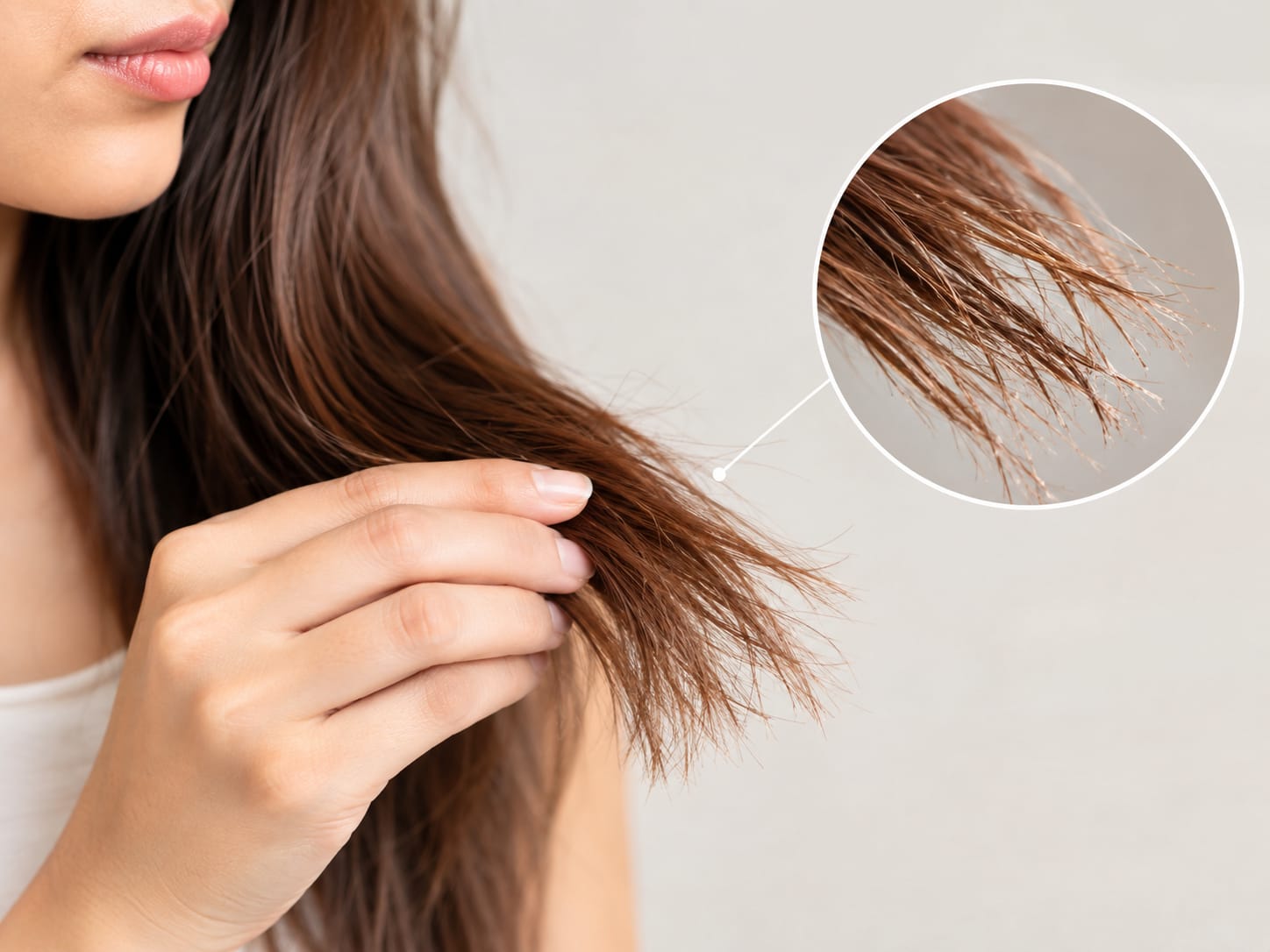
Split ends, medically called trichoptilosis, happen when the hair’s protective outer layer, the cuticle, wears away at the tip. Once this layer is gone, the inner strand frays and splits.
For a dermatologist-authored explanation of this process, eMediHealth’s guide to trichoptilosis covers the causes and care in more detail.
Types of Split Ends
- Double split — the most common type, where a single strand forks into two
- Feather split — multiple thin splits fan out from the tip
- Tree split — branches out repeatedly, resembling a small tree
- Knot split — a small bulb or knot forms at the very end of the strand
So the type you see often reflects how much damage has built up over time.
What Causes Split Ends?
Heat Styling
Frequent use of straighteners, curling irons, or blow dryers without protection dries out strands and weakens the cuticle over time.
Chemical Treatments
Colouring, bleaching, perming, and relaxing all strip away the hair’s protective layer. Because of this, chemically treated hair is naturally more prone to splitting.
Mechanical Damage
Aggressive brushing, especially on wet hair, along with rough towel-drying and tight hairstyles, all add physical stress that the hair can’t always withstand.
Environmental Exposure
Sun, wind, pollution, and chlorine all wear down the cuticle gradually. So daily exposure adds up more than people often realise.
Lack of Moisture and Nutrition
Dry, brittle hair splits more easily. In more severe cases, significant nutritional deficiency can also weaken the hair shaft.
Can Split Ends Actually Be Repaired?
Here’s the honest answer: not permanently. Once the cuticle is damaged and the strand splits, that section of hair can’t be fused back together.
Conditioners, serums, and “repair” treatments can smooth the strand and temporarily disguise the split. However, this effect washes out, and the underlying damage remains until that section of hair is cut.
The only true fix for existing split ends is trimming them off. Everything else is prevention or temporary cosmetic improvement, not a permanent repair.
How to Prevent Split Ends
- Get regular trims every 6 to 8 weeks, even if you’re growing your hair out
- Use a heat protectant before styling with hot tools
- Detangle gently, starting from the tips and working upward
- Avoid brushing hair vigorously while it’s wet, when it’s most fragile
- Use a wide-tooth comb instead of a brush on damp hair
- Deep condition weekly to restore moisture
- Protect hair from sun and chlorine with a hat or leave-in product
So consistency in these habits matters more than any single product.
Quick Reference: Cause and Prevention
| Cause | What Helps Most |
| Heat styling | Heat protectant spray, lower tool temperatures |
| Chemical treatments | Spacing out colouring or perming sessions, deep conditioning |
| Mechanical damage | Gentle detangling, wide-tooth combs, silk pillowcases |
| Environmental exposure | Hats, UV-protective sprays, rinsing after swimming |
| Dryness or nutrition | Deep conditioning, balanced diet, addressing deficiencies |
Professional Treatment for Split Ends
Effective split ends treatment Mumbai clinics offer usually combines a few key elements.
- A precision trim to remove existing split ends cleanly
- Deep conditioning or keratin treatments to strengthen remaining hair
- Scalp and hair assessment to identify contributing factors like dryness or damage
- Guidance on styling habits and products suited to your specific hair type
A professional assessment also helps rule out other causes if breakage seems more widespread than typical split ends.
Related Hair Health Guides
Split ends are often just one sign of overall hair health. A few related concerns are worth checking too.
If nutrition might be contributing, our guide on hair growth vitamins and nutrition explains which deficiencies affect hair strength.
If dryness extends to your scalp as well, our guide on dandruff vs dry scalp can help you identify what’s going on.
If you’re noticing hair fall alongside damage, our hair fall treatment Mumbai guide covers the broader picture and when to see a specialist.
Common Myths About Split Ends
| Myth | Fact |
| Split end serums permanently repair damage. | They temporarily smooth the strand, but the underlying split remains until the hair is trimmed. |
| Only long hair gets split ends. | Hair of any length can develop split ends, though longer hair shows more visible wear at the tips. |
| Trimming makes hair grow faster. | Trimming doesn’t affect growth rate, but it does prevent existing splits from travelling further up the strand. |
| Oiling alone prevents split ends. | Oiling adds moisture and shine, but heat, chemical, and mechanical damage still need to be addressed separately. |
| Rubbing hair upward causes split ends. | This specific action isn’t a recognised cause; heat, chemicals, and rough handling are the real drivers. |
Frequently Asked Questions
Can split ends grow back together?
No. Once hair splits, that section can’t rejoin. Trimming is the only way to fully remove it.
How often should I trim my hair to prevent split ends?
Every 6 to 8 weeks is generally recommended, though this can vary based on your hair type and how much styling or chemical treatment it undergoes.
Do split end serums actually work?
They can temporarily smooth and disguise the appearance of splits, but they don’t repair the hair structure permanently.
Can diet affect split ends?
Yes. Poor nutrition, especially deficiencies in protein, iron, or certain vitamins, can weaken hair and make it more prone to splitting.
Is it normal to have split ends even with good hair care?
Yes, to some extent. Everyday wear, environmental exposure, and even gentle styling can still cause some splitting over time.
Should I see a professional for severe split ends?
If breakage seems widespread or unusual, a professional assessment can help identify whether something beyond typical wear and tear is contributing.
Final Thoughts
Split ends are common, gradual, and largely preventable, but they can’t be permanently reversed once they form. A combination of gentle hair care, regular trims, and, where needed, professional treatment offers the most realistic path to healthier-looking ends.
Book Your Hair Consultation Today
If split ends or hair damage are bothering you, the team at Dr. Pankti’s REVIVE Skin, Aesthetic, Laser & Hair Clinic in Mumbai can assess your hair and recommend the right care for you. Visit www.drpanktisrevive.com to explore our full range of hair treatments.
Clinic: Dr. Pankti’s REVIVE Multispeciality Clinics
Location: Borivali, Mumbai, Maharashtra
Call: 9619758202