

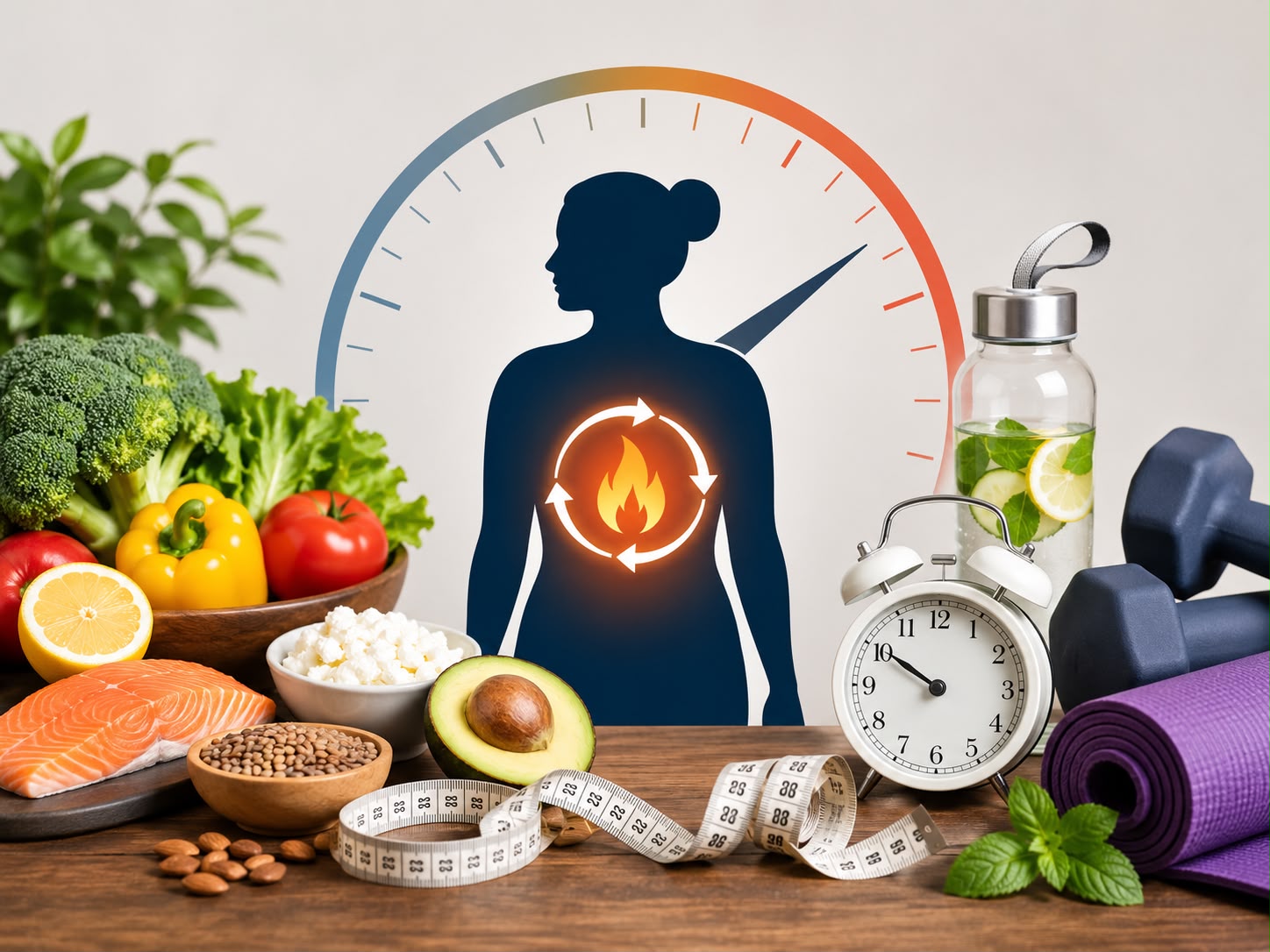
Struggling to Lose Weight Despite Your Best Efforts?
Have you ever felt frustrated because you’re eating carefully, trying to stay active, and yet the weighing scale refuses to move?
You’re not alone. One of the most common concerns people share during a weight management consultation is, “I hardly eat anything, so why am I still gaining weight?” While many factors can contribute to weight gain, one possibility that often gets discussed is metabolism.
Understanding how metabolism works can help you make informed decisions about your health and weight management journey.
What Is Metabolism?
Metabolism refers to the chemical processes your body uses to convert food into energy.
Even when you’re resting, your body needs energy to:
- Breathe
- Circulate blood
- Repair cells
- Regulate hormones
- Maintain body temperature
The number of calories your body burns to perform these basic functions is known as your Basal Metabolic Rate (BMR).
A faster metabolism generally burns more calories, while a slower metabolism burns fewer calories.
What Is a Slow Metabolism?
A slow metabolism simply means your body is using energy at a slower rate than expected.
While many people blame all weight gain on slow metabolism, the reality is often more complex. Factors such as age, genetics, hormones, sleep quality, stress, physical activity, and dietary habits can all influence metabolic function.
Common Signs of a Slow Metabolism
- Difficulty Losing Weight: One of the most common complaints is struggling to lose weight despite making efforts to improve diet and exercise habits. If weight loss feels unusually difficult, it may be worth evaluating your overall lifestyle and health factors.
- Constant Fatigue: Feeling tired throughout the day, even after adequate sleep, may indicate that your body’s energy production processes are not functioning optimally.
- Frequent Sugar Cravings: Strong cravings for sweets and sugary snacks can sometimes be linked to fluctuating blood sugar levels and lifestyle habits that affect metabolism.
- Unexplained Weight Gain: Gradual weight gain without major changes in eating habits or physical activity can be a sign that something deserves further evaluation.
- Feeling Cold More Often: People with slower metabolic activity may sometimes feel colder than others because metabolism plays a role in heat production.
- Bloating and Sluggish Digestion: Digestive discomfort, bloating, and irregular bowel habits can occasionally be associated with lifestyle factors that also affect metabolism.
- Reduced Energy During Workouts: If you feel exhausted quickly during physical activity, your body may not be utilizing energy efficiently.
Factors That May Contribute to a Slow Metabolism
- Poor Sleep: Lack of quality sleep can affect hormones that regulate hunger, appetite, and energy expenditure.
- Chronic Stress: Long-term stress may increase cortisol levels, which can influence weight gain and metabolic health.
- Sedentary Lifestyle: Spending long hours sitting and avoiding regular physical activity can gradually reduce calorie expenditure.
- Inadequate Protein Intake: Protein requires more energy to digest than carbohydrates and fats. Consuming insufficient protein may affect satiety and energy balance.
- Hormonal Imbalances: Conditions involving thyroid function, insulin regulation, PCOS, and other hormonal changes can influence weight management.
- Aging: As we age, muscle mass tends to decline, which may reduce calorie burning capacity.
Weight Management Tips to Support a Healthy Metabolism
Prioritize Protein in Every Meal: Protein-rich foods may help support muscle maintenance and increase feelings of fullness. Examples include:
- Eggs
- Fish
- Lean meats
- Paneer
- Greek yogurt
- Lentils
Stay Hydrated: Water plays an important role in various metabolic processes. Aim to maintain adequate hydration throughout the day.
Strength Training Matters: Muscle tissue burns more calories than fat tissue. Including resistance exercises can help support healthy metabolism and body composition.
Improve Sleep Quality: Try to get 7-8 hours of quality sleep regularly. Good sleep supports hormone balance and appetite regulation.
Avoid Crash Dieting: Extremely low-calorie diets may slow down calorie expenditure and make long-term weight management more challenging.
Stay Physically Active: Simple habits like walking, taking stairs, and reducing sitting time can contribute significantly to daily calorie burn.
Manage Stress: Meditation, yoga, deep breathing exercises, and enjoyable hobbies can help reduce stress-related eating patterns.
Common Myths About Slow Metabolism
Myth 1: Slow Metabolism Is the Only Reason for Weight Gain
Reality:
Weight gain is usually influenced by multiple factors including nutrition, lifestyle, hormones, sleep, and activity levels.
Myth 2: Eating Less Always Leads to Weight Loss
Reality:
Excessive calorie restriction can sometimes make weight management more difficult and may affect energy levels.
Myth 3: Certain Supplements Instantly Boost Metabolism
Reality:
No supplement can replace healthy lifestyle habits, proper nutrition, sleep, and physical activity.
Myth 4: Age Makes Weight Loss Impossible
Reality:
Weight loss may become more challenging with age, but it is still achievable with appropriate strategies.
Common Mistakes People Make
❌ Skipping meals
❌ Following crash diets
❌ Sleeping less than 6 hours
❌ Depending only on cardio
❌ Ignoring strength training
❌ Consuming excessive processed foods
❌ Not addressing underlying health concerns
When Should You Seek Professional Guidance?
If you experience:
- Persistent weight gain
- Difficulty losing weight
- Chronic fatigue
- Increased cravings
- PCOS-related weight concerns
- Thyroid-related concerns
- Repeated weight loss failures
A professional evaluation can help identify factors that may be affecting your progress. Understanding the root cause is often more effective than trying multiple diets without a structured plan.
Frequently Asked Questions (FAQs)
Can a slow metabolism cause weight gain?
A slower metabolism may contribute to weight gain, but weight changes are usually influenced by several factors including diet, activity levels, sleep, and hormones.
Can metabolism improve naturally?
Healthy nutrition, regular exercise, adequate sleep, hydration, and stress management can support metabolic health.
Does drinking more water increase metabolism?
Proper hydration supports overall body functions and may contribute to efficient metabolic processes.
Is metabolism linked to PCOS?
Many individuals with PCOS experience hormonal changes that can affect weight management and metabolism.
Does thyroid disease affect metabolism?
Thyroid hormones play an important role in regulating metabolism, which is why thyroid health is often evaluated in individuals experiencing unexplained weight changes.
Final Thoughts
- Weight management is about much more than counting calories.
- Sleep quality, stress levels, hormonal balance, nutrition, physical activity, and metabolic health all play important roles in achieving sustainable results.
- If you’re struggling with weight loss despite your efforts, understanding the possible reasons behind it is the first step toward making informed decisions and developing a realistic plan.
Looking for Professional Weight Management Guidance in Mumbai?
At Dr. Pankti’s REVIVE Clinic, we focus on a personalized approach to weight management by evaluating lifestyle factors, health concerns, and individual goals.
📍 Borivali | Kandivali | Malad | Goregaon
Book a consultation today to better understand your weight management challenges and explore options tailored to your needs.