
If you’ve ever brushed white flakes off your shoulders right before a meeting, you already know how much dandruff can knock your confidence. The good news: dandruff is one of the most common — and most treatable — scalp conditions there is. This guide is written for anyone dealing with flaking, itching, or an oily, irritated scalp, whether you’re just noticing the first flakes or you’ve been fighting stubborn dandruff for years.
You’ll learn exactly what causes dandruff, how it’s different from a dry scalp or scalp psoriasis, which treatments actually work, and when it’s time to stop experimenting at home and see a specialist. Wherever relevant, we’ve also included guidance specific to Mumbai’s humid, monsoon-heavy climate — a real factor in how dandruff behaves here.
1. What Is Dandruff?
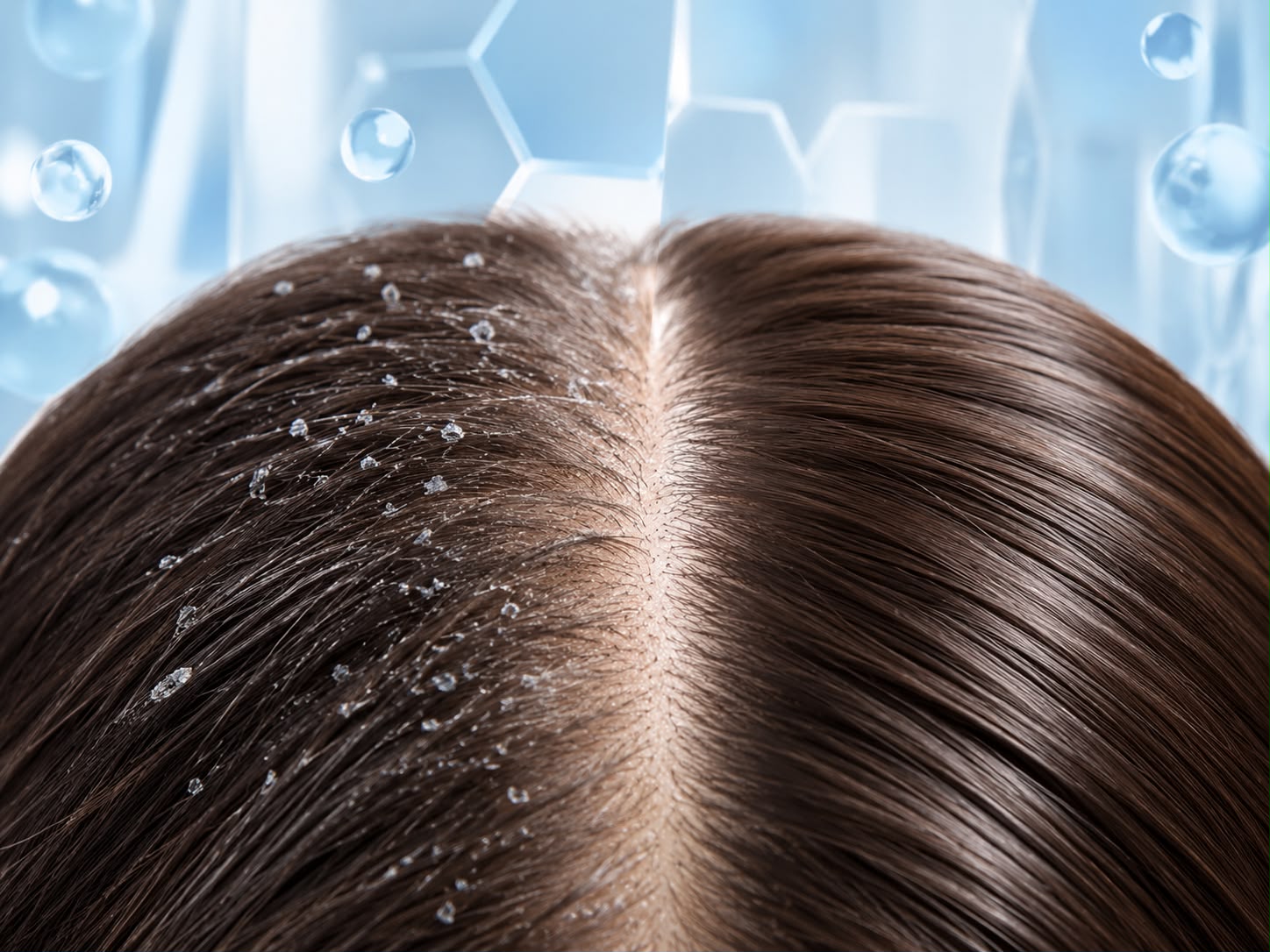
Dandruff is a common scalp condition where dead skin cells shed faster than normal, appearing as white or yellowish flakes on the hair, shoulders, and clothing. It’s usually accompanied by an itchy or slightly oily scalp. Dandruff itself isn’t a serious medical condition and isn’t caused by poor hygiene — but it can be persistent and, for many people, a real dent in confidence.
In its mild form, dandruff is often just called dry scalp flaking. In its more inflamed form — with redness, greasy-looking flakes, and stronger itching — it’s usually a condition called seborrheic dermatitis, which sits on the same spectrum as dandruff but needs a slightly different treatment approach.
2. What Causes Dandruff?
Dandruff usually develops from a combination of factors rather than one single cause. Understanding these helps explain why a treatment that works for one person may not work as well for another.
- Malassezia yeast overgrowth: A yeast that lives naturally on everyone’s scalp, Malassezia can multiply when it feeds on excess oil, irritating the skin and speeding up cell turnover.
- Excess oil (sebum) production: Oilier scalps tend to feed Malassezia more, which is why dandruff is often worse in people with naturally oily skin.
- Dry skin: In colder or air-conditioned environments, skin can dry out and flake, which looks similar to yeast-related dandruff but responds better to moisturizing treatments.
- Sensitivity to hair products: Certain shampoos, gels, or dyes can irritate the scalp and trigger flaking (a form of contact dermatitis).
- Infrequent hair washing: Allows oil and dead skin cells to build up, giving yeast more to feed on.
- Underlying skin conditions: Eczema and psoriasis can affect the scalp and are sometimes mistaken for ordinary dandruff.
- Hormonal and seasonal changes: Sebum production can shift with hormones, stress, and weather, which is why dandruff often flares in winter or during Mumbai’s humid monsoon months.
3. Common Symptoms of Dandruff
Symptoms can range from barely noticeable to quite uncomfortable. The most common signs include:
- Flaking skin on the scalp, hair, eyebrows, or beard
- Itchiness, sometimes worse after sweating or wearing a helmet or cap
- An oily or greasy feeling on the scalp
- Mild redness or irritation in more sensitive cases
- Flakes that are more visible on dark clothing
If flaking is accompanied by thick, silvery scales, significant redness, or spreads beyond the scalp, it may point to scalp psoriasis rather than simple dandruff — see the comparison table in Section 5.
4. Risk Factors: Who Gets Dandruff and Why
| Risk Factor | Why It Matters |
| Oily skin type | More sebum means more food for Malassezia yeast |
| Age (teens to 50s) | Sebum production peaks in these years |
| Weakened immune system | Can allow yeast overgrowth to flare more easily |
| Certain neurological conditions | Linked to higher rates of seborrheic dermatitis |
| High stress levels | Stress can trigger flare-ups indirectly via oil production and immune response |
| Cold, dry weather or heavy AC use | Dries out the scalp and increases flaking |
| Infrequent shampooing | Allows oil and dead skin buildup |
5. Dandruff vs Dry Scalp vs Scalp Psoriasis: Know the Difference
Many people treat every flake the same way, but the underlying cause changes what actually works. Here’s a quick comparison:
| Feature | Dandruff | Dry Scalp | Scalp Psoriasis |
| Flake appearance | Yellowish, oily-looking | Small, dry, white | Thick, silvery-white scales |
| Scalp feel | Oily to normal | Dry, tight | Red, raised patches |
| Itching | Mild to moderate | Mild | Can be intense |
| Spreads beyond scalp? | Rarely (eyebrows/beard possible) | No | Often (behind ears, hairline, body) |
| Best first step | Antifungal shampoo | Moisturizing shampoo | Dermatologist evaluation |
6. How Dandruff Is Diagnosed
In most cases, a dermatologist or trichologist can diagnose dandruff simply by examining the scalp and asking about your symptoms, hair care routine, and how long the flaking has lasted. If the presentation is unusual — very thick scaling, patches beyond the scalp, or no response to standard treatment — further scalp analysis or a closer skin examination may be recommended to rule out psoriasis, eczema, or fungal infections like tinea capitis.
Get a proper diagnosis instead of guessing. Dr. Pankti’s REVIVE in Borivali offers detailed scalp analysis to identify the exact cause of your flaking. WhatsApp or call 9619758202 to schedule.
7. Treatment Options for Dandruff
Over-the-Counter Medicated Shampoos
For most people, dandruff responds well to medicated shampoos used consistently. Key active ingredients include:
- Zinc pyrithione — antifungal and antibacterial, good for everyday use
- Ketoconazole — a stronger antifungal, often recommended for more persistent dandruff
- Selenium sulfide — reduces yeast and slows skin cell turnover
- Salicylic acid — helps exfoliate flakes and unclog follicles
- Coal tar — slows skin cell turnover, useful for both dandruff and mild psoriasis
These work best when left on the scalp for the recommended contact time (usually a few minutes) rather than rinsed immediately, and used consistently for several weeks before judging results.
Prescription Treatment
If over-the-counter shampoos aren’t enough, a dermatologist may prescribe stronger antifungal or anti-inflammatory formulations, including medicated topical solutions or short courses of steroid lotions for inflamed seborrheic dermatitis. Professional guidance matters here because overuse of steroid-based products can thin the skin over time.
8. Latest Advances in Scalp & Dandruff Care
Scalp care has moved well beyond generic anti-dandruff shampoo. Modern approaches increasingly focus on the scalp microbiome — the balance of bacteria and yeast that keeps skin healthy — rather than simply killing yeast outright. Trichology clinics now commonly use digital scalp analyzers to magnify and photograph the scalp, helping track how a treatment plan is working over time rather than relying on guesswork. Personalized scalp serums, combined with targeted diet and lifestyle advice, are also increasingly used alongside medicated shampoos for stubborn or recurring dandruff.
9. Does Dandruff Cause Hair Fall? Myths vs Facts
| Myth | Fact |
| Dandruff directly causes permanent hair loss | Dandruff itself does not destroy hair follicles, but scratching an itchy, inflamed scalp can damage hair and worsen shedding |
| Washing hair often causes dandruff | Infrequent washing is more likely to worsen dandruff by letting oil and yeast build up |
| Oiling the scalp cures dandruff | Heavy oiling can actually feed Malassezia yeast and worsen oily-type dandruff |
| Dandruff is contagious | Dandruff is not contagious — it relates to your own scalp’s oil, skin turnover, and yeast balance |
| Only oily scalps get dandruff | Dry scalps can flake too, though the cause and best treatment differ |
10. Home Remedies That Actually Help
Home care won’t replace medicated treatment for moderate-to-severe dandruff, but these evidence-informed habits can genuinely help mild cases and support any prescribed treatment:
- Wash hair regularly (2–3 times a week for oily scalps) to prevent oil and dead skin buildup
- Gently massage the scalp while shampooing to loosen flakes without scratching
- Choose a shampoo with zinc pyrithione or ketoconazole and leave it on for the recommended time
- Avoid very hot water, which can dry out or irritate the scalp
- Limit heavy styling products that can build up on the scalp
- Manage stress, which can worsen flare-ups in some people
Be cautious with aggressive DIY remedies (like undiluted lemon juice or excessive scrubbing) — they can irritate the scalp further rather than help.
11. Diet and Lifestyle Tips for a Healthier Scalp
While diet alone won’t cure dandruff, a few general habits support overall scalp and skin health:
- Include zinc- and omega-3-rich foods (nuts, seeds, fish) which support skin barrier health
- Stay well hydrated, especially in air-conditioned environments that dry out skin
- Get adequate sleep and manage stress, both linked to skin and immune health
- Limit excessive sugar and processed food, which some people find worsens oily-skin flare-ups
12. Dandruff in Mumbai’s Climate: Monsoon & Humidity Tips
Mumbai’s humidity and monsoon season create a unique environment for scalp health — sweat and moisture can build up under hair, giving Malassezia yeast more opportunity to thrive, while sudden AC exposure can dry the scalp out in between. For residents across Borivali, Kandivali, Malad, and Goregaon, this seasonal swing is one of the most common reasons dandruff that was under control suddenly flares up again.
- Dry hair thoroughly after getting caught in the rain — damp hair left uncovered encourages yeast growth
- Wash more frequently during monsoon if your scalp tends to get oily and sweaty
- Avoid tightly covering wet hair with caps or helmets for long periods
- Switch to a lighter, non-greasy scalp serum during humid months
If your dandruff always seems to return with the weather, a tailored seasonal scalp-care plan can help. Book a consultation with Dr. Pankti’s REVIVE, serving Borivali, Kandivali, Malad, and Goregaon — call 9619758202.
13. Who Should See a Doctor?
Most mild dandruff can be managed with consistent home care and medicated shampoo. It’s time to see a dermatologist or trichologist if:
- Flaking doesn’t improve after 3–4 weeks of consistent medicated shampoo use
- The scalp is very red, painful, or oozing
- Flaking spreads to the face, ears, or chest
- You notice increasing hair thinning alongside the flaking
- Over-the-counter products cause burning or worsen irritation
14. What to Expect at a Professional Scalp Consultation
A scalp consultation at a clinic like Dr. Pankti’s REVIVE typically starts with a discussion of your symptoms, hair care habits, and medical history, followed by a close visual — sometimes magnified — examination of the scalp. This helps confirm whether you’re dealing with straightforward dandruff, seborrheic dermatitis, dryness, or another condition like scalp psoriasis, and allows the doctor to build a treatment plan suited to your specific scalp type rather than a one-size-fits-all shampoo.
Ready for a scalp check-up instead of more guesswork? Schedule a Hair & Scalp Analysis at Dr. Pankti’s REVIVE, Borivali — WhatsApp or Call Now: 9619758202.
15. Common Mistakes That Make Dandruff Worse
- Switching shampoos too often before giving one enough time to work
- Scratching the scalp, which can cause micro-injury and worsen inflammation
- Using very hot water or harsh scrubbing to “deep clean” the scalp
- Overusing dry shampoo, which can trap oil and flakes against the scalp
- Ignoring persistent symptoms instead of getting a proper diagnosis
16. Frequently Asked Questions
What is the main cause of dandruff?
Dandruff is mainly caused by a natural scalp yeast called Malassezia interacting with sebum (oil) and skin cell turnover. Factors like oily skin, dryness, product sensitivity, and weather can all influence how much it flares up.
Can dandruff be cured permanently?
Dandruff is usually a manageable, recurring condition rather than a one-time cure. With the right shampoo, routine, and — if needed — professional treatment, most people can keep it well controlled long-term.
Is dandruff a fungal or bacterial infection?
Dandruff is linked to an overgrowth of a naturally occurring yeast (Malassezia) rather than a bacterial infection or a contagious fungal disease.
Does dandruff cause hair loss?
Dandruff itself doesn’t destroy hair follicles, but frequent scratching from an itchy, inflamed scalp can damage hair strands and contribute to shedding over time.
What shampoo ingredient is best for dandruff?
Zinc pyrithione and ketoconazole are two of the most effective, well-studied ingredients for reducing yeast-related flaking, alongside salicylic acid for exfoliation.
How often should I wash my hair to control dandruff?
Most people with oily, dandruff-prone scalps benefit from washing 2–3 times a week with a medicated shampoo, though this can vary based on hair type and climate.
Why does my dandruff keep coming back?
Dandruff often returns because it’s a chronic tendency rather than a one-time infection — stopping treatment too early, weather changes, or product buildup can all trigger a relapse.
Is dandruff contagious?
No. Dandruff relates to your own scalp’s oil production and yeast balance, not something that spreads from person to person.
Can stress and diet trigger dandruff?
Yes, stress and certain dietary patterns can influence oil production and skin inflammation, which may worsen dandruff in people already prone to it.
What is the difference between dry scalp and dandruff?
Dry scalp causes small, dry flakes without excess oil, while dandruff often involves an oilier scalp and yellowish flakes linked to yeast overgrowth.
Can oiling your hair make dandruff worse?
Heavy oiling can worsen oily-type dandruff by giving Malassezia yeast more to feed on, though light oiling may help a genuinely dry scalp.
Is dandruff linked to seborrheic dermatitis?
Yes, dandruff and seborrheic dermatitis exist on the same spectrum — seborrheic dermatitis is a more inflamed, often red and itchy form of the same underlying process.
What home remedies actually work for dandruff?
Regular washing, gentle scalp massage, and a consistent medicated shampoo routine are the most reliable home strategies; harsh DIY scrubs or undiluted acidic remedies can backfire.
How long does it take for anti-dandruff shampoo to work?
Most people see noticeable improvement within 2–4 weeks of consistent use, though full control can take longer for more stubborn cases.
Can dandruff appear on eyebrows and beard too?
Yes, since Malassezia yeast lives on oily skin anywhere on the body, flaking can also appear on eyebrows, beard areas, and around the nose.
Should I see a dermatologist for severe dandruff?
Yes — if flaking is severe, persistent, or accompanied by redness and pain, a dermatologist can rule out other conditions and prescribe stronger treatment.
Does weather change worsen dandruff?
Yes, both dry winter air and humid monsoon conditions can trigger flare-ups, though for different reasons — dryness versus excess sweat and oil.
Can hair dye or styling products cause dandruff?
Certain harsh chemicals or fragrances in styling products can irritate the scalp and mimic or worsen dandruff-like flaking.
Is dandruff worse with oily or dry hair?
Both oily and dry scalps can develop dandruff, though oily scalps tend to have more yeast-driven flaking while dry scalps flake from lack of moisture.
What is scalp psoriasis and how is it different from dandruff?
Scalp psoriasis causes thicker, silvery scales and often spreads beyond the scalp, unlike typical dandruff, and usually needs a dermatologist’s evaluation to manage properly.
Conclusion
Dandruff can feel frustrating, but in almost every case it’s a well-understood, treatable condition — not a sign of poor hygiene or something to feel embarrassed about. Start with a consistent, medicated shampoo routine and sensible scalp care habits. If flaking, itching, or irritation doesn’t improve after a few weeks, or keeps coming back stronger, that’s your sign to get a professional opinion rather than keep guessing.
Dr. Pankti’s REVIVE Multispeciality Clinic in Borivali offers detailed scalp analysis and personalized treatment plans for dandruff, seborrheic dermatitis, and other scalp concerns — serving patients across Borivali, Kandivali, Malad, Goregaon, and greater Mumbai.
Take the first step toward a healthier scalp. Book Your Scalp Consultation today — Call or WhatsApp 9619758202, or visit www.drpanktisrevive.com.
Dandruff is a common scalp condition caused mainly by a natural yeast (Malassezia) interacting with skin oil and dead skin cell turnover. It appears as white or yellowish flakes, often with mild itching. Most cases improve with a zinc pyrithione or ketoconazole shampoo used consistently over 2–4 weeks.
Prepared for Dr. Pankti’s REVIVE Multispeciality Clinic • Borivali, Mumbai • www.drpanktisrevive.com • 9619758202