

Double chin. Love handles. A stubborn belly pooch that stays no matter how many workouts you do. For many people in Borivali and across Mumbai, certain fat pockets simply resist diet and exercise — not because of a lack of effort, but because of how the body stores fat.
This is where ulipolysis comes in. It’s a non-surgical, targeted fat and inch loss treatment designed for exactly these stubborn areas. This guide explains what ulipolysis is, how it works, who it suits, and what results to realistically expect.
What Is Ulipolysis?
Ulipolysis is the medical term for the breakdown of fat cells. In cosmetic treatment, it refers to a group of non-surgical procedures that target and reduce localised fat deposits — areas that haven’t responded well to diet and exercise alone.
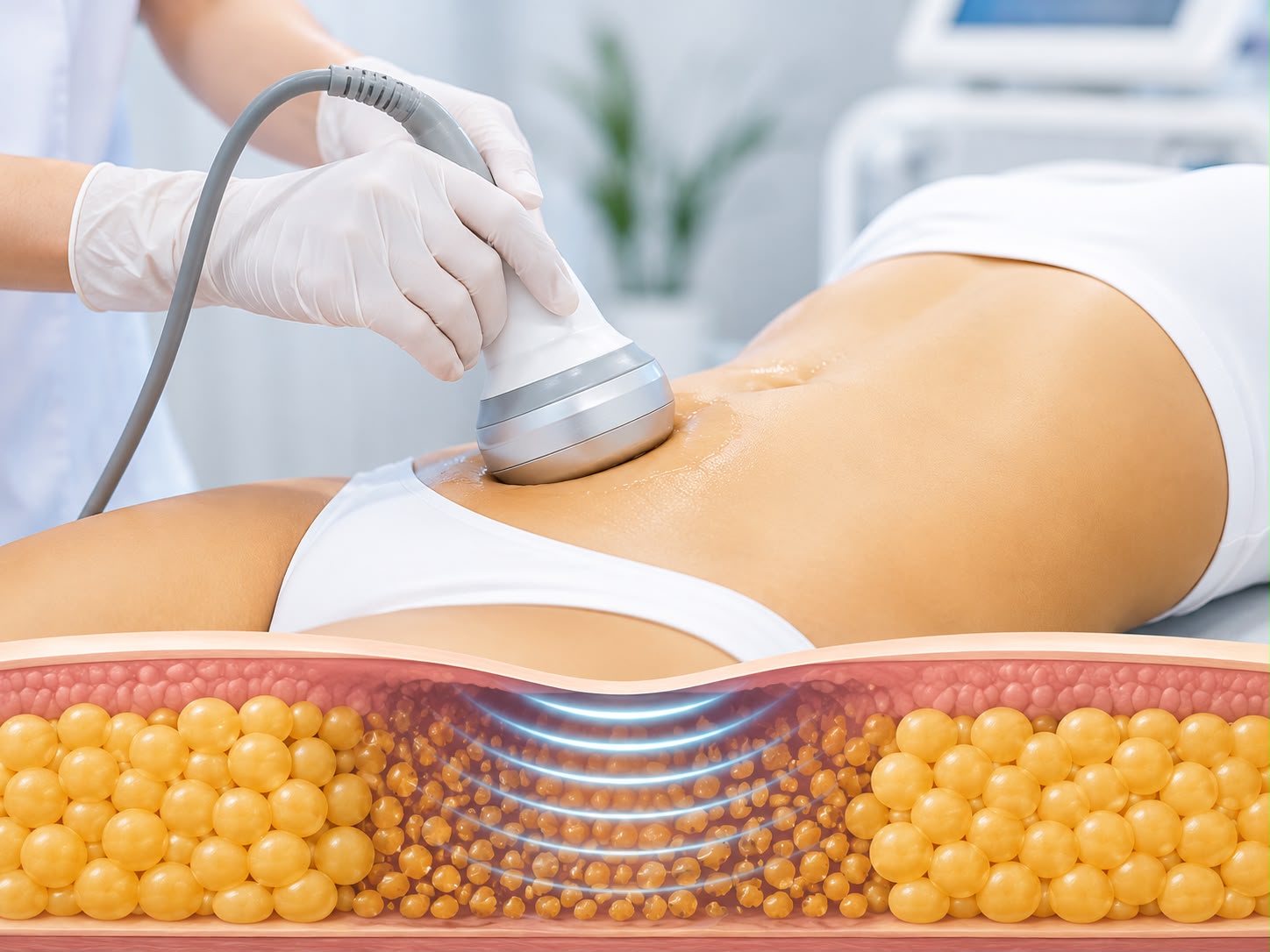
Unlike liposuction, ulipolysis doesn’t involve surgical fat removal. Instead, it breaks down fat cells using injections, ultrasound, laser, or radiofrequency energy, so the body can naturally eliminate them over the following weeks.
How Does Ulipolysis Work?
While the exact mechanism depends on the method used, the general process follows these steps:
- The targeted fat cells are disrupted using the chosen technology (injection, ultrasound, laser, or radiofrequency)
- The fat cell membrane breaks down, releasing stored fat content
- The body’s lymphatic system gradually clears this content over several weeks
- The treated area shows a visible reduction in fat volume and inches over time
Because clearance happens gradually, ulipolysis results build up over weeks rather than appearing instantly.
Types of Ulipolysis Treatments
| Method | How It Works | Best For | Downtime |
| Injection Ulipolysis | Fat-dissolving compounds injected into targeted areas | Double chin, small localised pockets | Mild swelling for a few days |
| Laser Ulipolysis | Laser energy liquefies fat cells | Face, neck, smaller body areas | Minimal |
| Ultrasound (Cavitation) | Ultrasound waves break fat cell membranes | Abdomen, thighs, flanks | None to minimal |
| Radiofrequency Ulipolysis | Heat energy targets fat while tightening skin | Abdomen, arms, thighs | None to minimal |
At your consultation, the right method is selected based on the treatment area, the amount of fat, and your skin quality.
Areas Commonly Treated with Ulipolysis
- Double chin and jawline
- Abdomen and love handles
- Thighs and inner knees
- Upper arms
- Back and bra-line fat
Benefits of Ulipolysis
- Non-surgical, with little to no downtime
- Targets specific stubborn areas diet and exercise often can’t reach
- No general anaesthesia required
- Gradual, natural-looking inch loss
- Can be combined with other body contouring or skin-tightening treatments
- Minimal disruption to daily routine
Is Ulipolysis Right for You?
Ulipolysis works best for people who are already close to their target weight but have specific, stubborn fat pockets. It is not a weight-loss treatment or a substitute for a healthy diet and regular exercise.
Good candidates typically:
- Have localised fat deposits rather than overall excess weight
- Are in general good health
- Have realistic expectations about gradual, moderate fat reduction
- Are committed to maintaining results through diet and activity
May not be suitable for:
- Significant overall weight loss goals
- Certain medical conditions — always disclosed and assessed at consultation
- Pregnant or breastfeeding individuals
Ulipolysis reduces localised fat; it does not treat obesity or replace a structured weight-management plan. A proper evaluation determines whether it’s the right option for you.
What to Expect During Treatment
- Consultation and assessment of the treatment area and goals
- Marking the target zone
- Application of the chosen ulipolysis method
- Mild sensation of warmth, pressure, or tingling depending on the technology used
- Post-treatment care advice
Sessions typically take 30–60 minutes depending on the area and method.
Results Timeline
- Weeks 1–2: Mild swelling settles; initial changes may be visible
- Weeks 3–6: Gradual inch loss becomes noticeable as the body clears treated fat
- Weeks 6–12: Fuller results visible, depending on the method and number of sessions
Most treatments are recommended in a series of sessions, spaced a few weeks apart, for optimal results.
Safety and Side Effects
Ulipolysis is generally well tolerated when performed by trained professionals. Temporary side effects can include mild swelling, redness, bruising, or tenderness in the treated area, which usually resolves within a few days.
A detailed health assessment before treatment helps identify anyone who should avoid ulipolysis or needs an adjusted approach.
Aftercare Tips
- Stay well hydrated to support lymphatic drainage
- Maintain light physical activity, such as walking
- Follow a balanced diet to support and maintain results
- Avoid alcohol and excess sodium for a few days post-treatment
- Attend follow-up sessions as recommended
- Wear compression garments if advised for your treatment area
Common Myths About Ulipolysis
| Myth | Fact |
| Ulipolysis is a weight-loss treatment. | It targets localised fat pockets, not overall body weight — it works best alongside a healthy lifestyle, not instead of one. |
| Results are permanent no matter what you do afterward. | Treated fat cells are reduced, but weight gain afterward can still affect the area and surrounding tissue. |
| One session is enough for major results. | Most methods need a series of sessions for visible, lasting inch loss. |
| It’s the same as liposuction. | Ulipolysis is non-surgical with far less downtime; liposuction is a surgical procedure with a longer recovery. |
| It works the same for everyone. | Results vary based on treatment area, fat volume, skin quality, and lifestyle after treatment. |
Ulipolysis vs. Liposuction
| Aspect | Ulipolysis | Liposuction |
| Procedure type | Non-surgical | Surgical |
| Anaesthesia | Not required | Local or general anaesthesia |
| Downtime | Minimal to none | Days to weeks |
| Fat volume treated | Smaller, localised amounts | Larger volumes possible |
| Results timeline | Gradual, over weeks | Visible sooner, after healing |
Frequently Asked Questions
How many sessions of ulipolysis will I need?
This depends on the treatment area and method, but most patients need a series of 4–6 sessions, spaced a few weeks apart, for visible inch loss.
Is ulipolysis painful?
Most patients report mild warmth, pressure, or tingling rather than significant pain. Sensation varies by method.
Can ulipolysis replace weight loss surgery?
No. Ulipolysis is designed for localised fat reduction, not significant weight loss, and isn’t a substitute for surgical weight-loss procedures in appropriate cases.
Will the fat come back after ulipolysis?
Treated fat cells are reduced, but maintaining a healthy diet and activity level is important, as remaining fat cells elsewhere can still expand with weight gain.
How soon will I see results?
Initial changes may appear within a few weeks, with fuller results typically visible over 6–12 weeks as the body clears treated fat.
Is ulipolysis safe?
When performed by trained professionals after a proper health assessment, ulipolysis is considered a safe, well-tolerated procedure with minimal downtime.
Final Thoughts
Stubborn fat doesn’t always respond to diet and exercise alone — and that’s not a failure of willpower, it’s simply how localised fat behaves. Ulipolysis offers a non-surgical way to target these specific areas and achieve visible inch loss, when paired with realistic expectations and a healthy lifestyle.
Book Your Ulipolysis Consultation Today
If stubborn fat around your chin, abdomen, or thighs isn’t responding to diet and exercise, the team at Dr. Pankti’s REVIVE Multispeciality Clinics in Borivali can assess your goals and recommend the right ulipolysis approach for you.
Clinic: Dr. Pankti’s REVIVE Multispeciality Clinics
Location: Borivali, Mumbai, Maharashtra
Call: 9619758202
Website: www.drpanktisrevive.com