

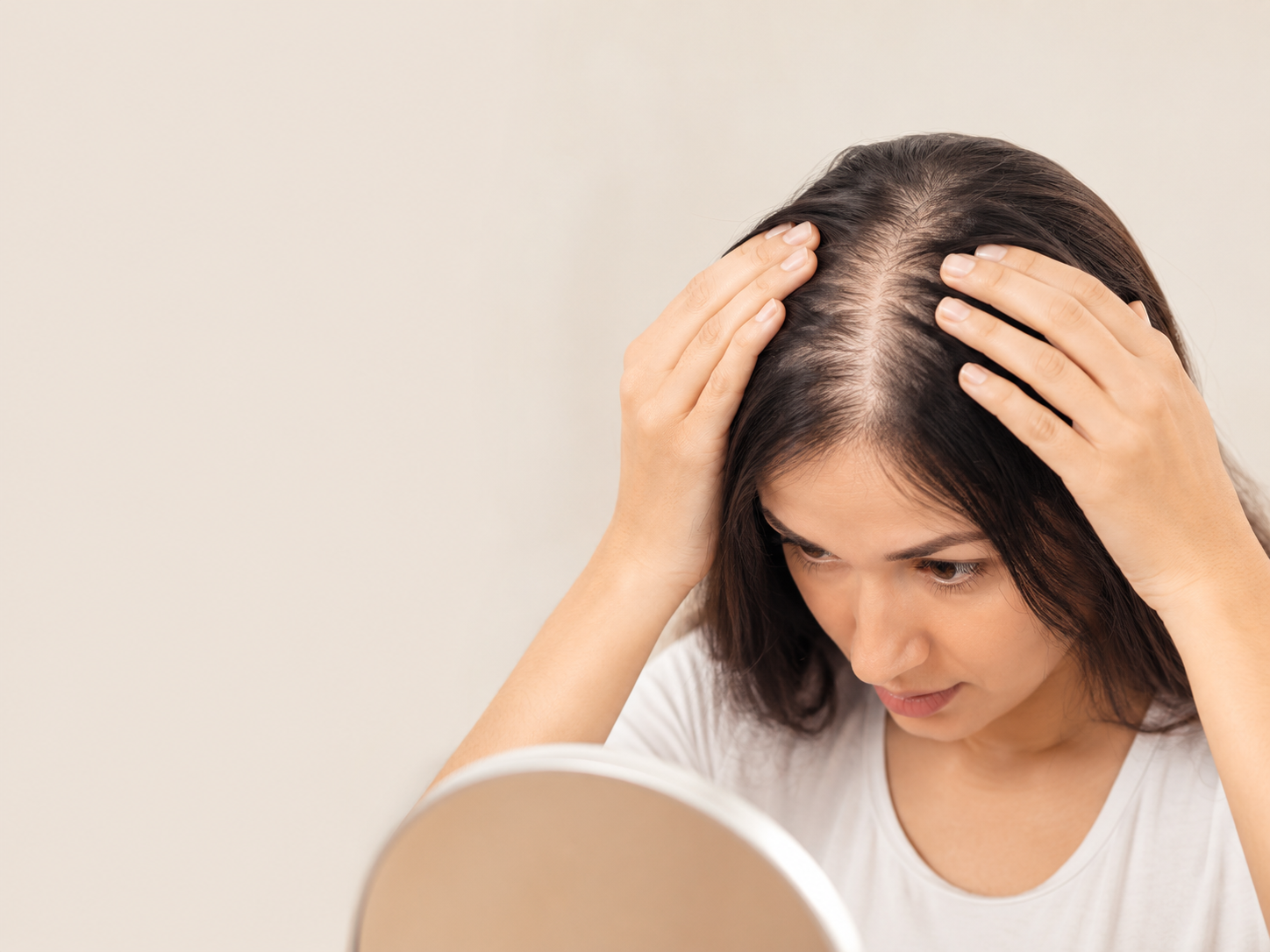
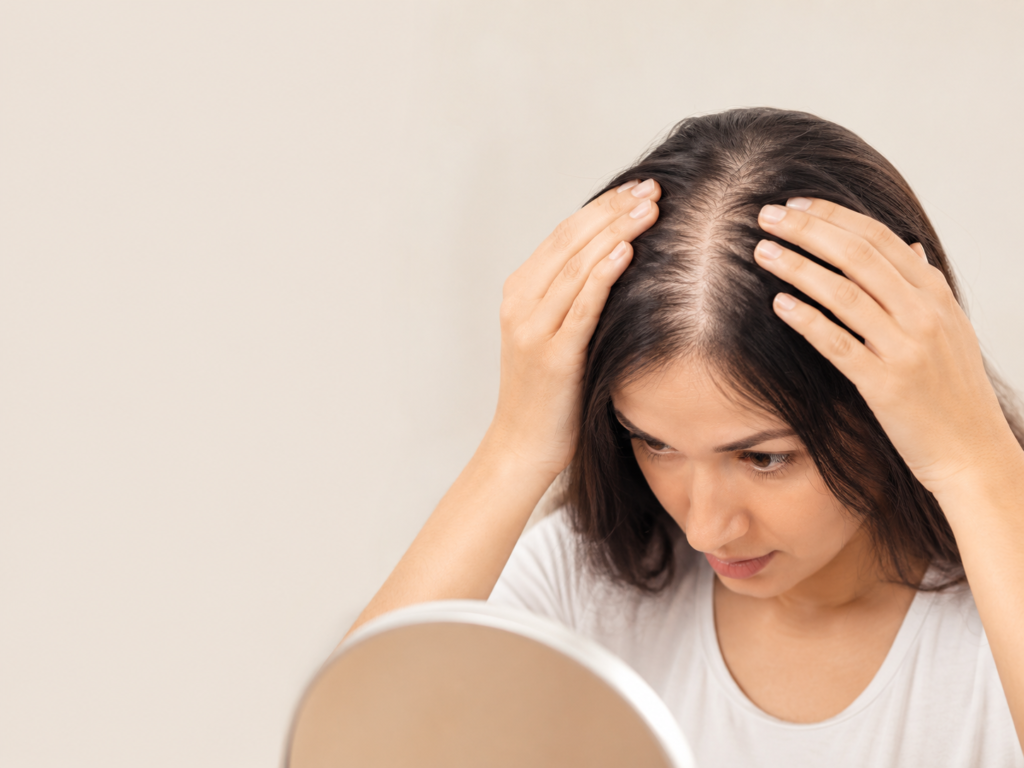
Hair is often closely linked with confidence and self-image. Therefore, experiencing gradual hair thinning or reduced hair volume can be distressing for many women. One of the most common causes of progressive hair thinning in women is Female Pattern Hair Loss (FPHL), also known as Female Pattern Baldness or Female Androgenetic Alopecia.
Female Pattern Hair Loss affects millions of women worldwide and can begin as early as the twenties or thirties, becoming more noticeable after menopause. Fortunately, early diagnosis and appropriate treatment can help slow progression and improve hair density.
This guide explains the causes, symptoms, diagnosis, treatment options, and preventive measures for Female Pattern Hair Loss.
What is Female Pattern Hair Loss?
Female Pattern Hair Loss (FPHL) is a chronic and progressive condition characterized by the gradual thinning of hair over the top and crown of the scalp. Unlike male pattern baldness, women typically do not develop a completely receding hairline or large bald patches.
The condition occurs when hair follicles gradually shrink, producing thinner, shorter, and weaker hairs. Over time, these follicles may become less capable of producing healthy hair strands.
How Common is Female Pattern Hair Loss?
Female Pattern Hair Loss is the most common cause of hair thinning in women.
Research suggests that:
- Nearly 40% of women experience noticeable hair thinning by age 50.
- The prevalence increases after menopause.
- Women with a family history of hair loss are at greater risk.
- Hormonal changes and genetic predisposition play significant roles.
Early Signs and Symptoms of Female Pattern Hair Loss
The condition usually develops gradually, making early identification important.
Common symptoms include:
- Widening of the Hair Part
- One of the earliest signs is a progressively wider central parting.
- Reduced Hair Volume
- Women may notice that their ponytail feels thinner than before.
- Increased Scalp Visibility
- The scalp becomes more visible under bright light, particularly near the crown.
- Diffuse Hair Thinning
- Hair density decreases across the top of the scalp.
- Excessive Hair Shedding
- Although not always present, many women report increased hair fall during washing or combing.
Causes of Female Pattern Hair Loss
1. Genetic Factors
Genetics is the most important contributing factor. Women may inherit susceptibility from either side of the family.
2. Hormonal Influence
Hair follicles may become sensitive to androgens (male hormones present in women in small amounts), leading to gradual follicular miniaturization.
3. Menopause
Many women notice worsening hair thinning during and after menopause due to hormonal fluctuations.
4. Aging
Natural aging affects hair growth cycles and follicular function.
5. Medical Conditions
Certain conditions may worsen hair thinning:
- Thyroid disorders
- Polycystic Ovary Syndrome (PCOS)
- Iron deficiency
- Vitamin D deficiency
- Chronic illnesses
- Nutritional deficiencies
6. Lifestyle Factors
Although not direct causes, the following may aggravate hair loss:
- Chronic stress
- Sleep deprivation
- Crash dieting
- Smoking
- Excessive chemical treatments
- Frequent heat styling
Female Pattern Hair Loss vs Normal Hair Fall
| Feature | Normal Hair Fall | Female Pattern Hair Loss |
| Hair Shedding | Temporary | Persistent |
| Hair Density | Maintained | Gradually Reduced |
| Hair Parting | Normal | Widened |
| Hair Thickness | Normal | Becomes Finer |
| Progression | Usually Reversible | Progressive |
Stages of Female Pattern Hair Loss
Dermatologists commonly use the Ludwig Classification:
Ludwig Stage I
Mild thinning around the central part.
Ludwig Stage II
Noticeable widening of the part and reduced density.
Ludwig Stage III
Significant thinning with extensive scalp visibility.
Early-stage diagnosis provides the best opportunity for successful management.
How Female Pattern Hair Loss is Diagnosed
A dermatologist/Trichologist may diagnose FPHL through:
Medical History
Assessment of:
- Family history
- Hormonal changes
- Nutritional status
- Medical conditions
Scalp Examination
Evaluating the pattern and severity of thinning.
Trichoscopy
Magnified scalp examination to assess follicular miniaturization.
Blood Investigations
Tests may include:
- Thyroid profile
- Iron studies
- Ferritin levels
- Vitamin D
- Hormonal evaluation
Scalp Biopsy
Rarely required when diagnosis remains uncertain.
Evidence-Based Treatment Options
Homeopathy for Female Pattern Hair Loss
Homeopathy is a holistic system of medicine that aims to address the underlying factors contributing to hair loss rather than focusing only on the symptoms. In women experiencing Female Pattern Hair Loss (FPHL), homeopathic treatment is often individualized based on the patient’s overall health, hormonal profile, emotional well-being, lifestyle factors, and specific hair loss pattern.
Homeopathic practitioners evaluate potential contributing factors such as stress, hormonal changes, thyroid imbalances, nutritional deficiencies, family history, and scalp health before selecting a personalized treatment plan. The goal is to support the body’s natural healing mechanisms and promote healthier hair growth from within.
Potential Benefits of Homeopathy in Female Pattern Hair Loss
- May help reduce excessive hair shedding.
- Supports overall scalp and hair follicle health.
- Can be used alongside conventional hair loss treatments under professional guidance.
- Focuses on identifying and addressing individual triggers contributing to hair loss.
- May help improve stress-related hair fall and emotional well-being.
- Offers a non-invasive and individualized approach to hair care.
A Holistic Approach to Hair Health
Since Female Pattern Hair Loss is often influenced by multiple factors, including genetics, hormones, nutrition, and stress, a comprehensive management approach may be beneficial. Homeopathic treatment is commonly combined with nutritional support, scalp care, lifestyle modifications, and other evidence-based therapies to support overall hair health.
It is important to note that Female Pattern Hair Loss is a progressive condition, and treatment outcomes can vary from person to person. Women experiencing persistent hair thinning should seek proper evaluation to determine the underlying cause and discuss suitable treatment options with a qualified healthcare professional.
Topical Minoxidil
Minoxidil remains one of the most widely studied treatments for Female Pattern Hair Loss.
Benefits include:
- Increased follicular activity
- Prolonged growth phase
- Improved hair density
Visible improvement often takes 3 to 6 months.
Oral Medications
Selected patients may benefit from oral medications under medical supervision.
These may include:
- Anti-androgen therapies
- Hormonal management
- Other prescription medications depending on the underlying cause
Platelet Rich Plasma (PRP)
PRP therapy utilizes growth factors derived from the patient’s own blood to support follicular health.
Studies suggest it may help:
- Reduce hair fall
- Improve hair thickness
- Support existing follicles
Growth Factor Concentrate (GFC) Therapy
GFC therapy is a newer regenerative approach utilizing concentrated growth factors that may help stimulate weakened hair follicles and improve scalp health.
Nutritional Correction
Addressing deficiencies may improve overall hair quality and reduce excessive shedding.
Important nutrients include:
- Protein
- Iron
- Vitamin D
- Zinc
- Biotin (when deficient)
Low-Level Laser Therapy (LLLT)
Low-level light therapy may improve hair density in selected patients and is often used alongside other treatments.
Hair Transplantation
Hair transplantation may be considered in carefully selected women with stable hair loss patterns and adequate donor hair.
Hair Care Tips for Women with Hair Thinning
Women experiencing Female Pattern Hair Loss should consider:
- Using mild shampoos
- Avoiding tight hairstyles
- Limiting excessive heat styling
- Avoiding repeated chemical treatments
- Maintaining adequate protein intake
- Managing stress effectively
- Following a consistent scalp care routine
Can Female Pattern Hair Loss Be Prevented?
Genetic hair loss cannot always be prevented completely. However, early intervention may help:
- Slow progression
- Preserve existing hair
- Improve overall density
- Maintain scalp coverage
Prompt evaluation remains the key to better long-term outcomes.
Emotional Impact of Female Hair Loss
Hair loss affects more than appearance.
Women often report:
- Reduced self-confidence
- Social anxiety
- Emotional distress
- Increased stress levels
Seeking professional guidance early can help address both the physical and emotional aspects of hair loss.
When Should You Consult a Hair Specialist?
Seek medical evaluation if you experience:
- Persistent hair thinning
- Widening hair part
- Excessive shedding lasting more than 3 months
- Sudden increase in hair loss
- Scalp itching or inflammation
- Patchy bald spots
- Hair thinning associated with irregular menstrual cycles or hormonal symptoms
Conclusion
Female Pattern Hair Loss is a common but manageable condition affecting women of all ages. While genetics and hormonal influences often play major roles, early diagnosis and appropriate treatment can significantly improve outcomes.
Women noticing progressive thinning, widening of the hair part, or reduced hair density should seek timely evaluation. Understanding the underlying cause and adopting evidence-based treatment strategies can help preserve hair density and improve overall scalp health.
Frequently Asked Questions (FAQs)
What is Female Pattern Hair Loss?
Female Pattern Hair Loss is a progressive condition causing gradual thinning of hair over the top and crown of the scalp.
What causes Female Pattern Hair Loss?
The most common causes include genetics, hormonal influences, aging, menopause, and follicular sensitivity to androgens.
Is Female Pattern Hair Loss permanent?
The condition is generally progressive, but early treatment may slow progression and improve hair density.
Can hair grow back in Female Pattern Hair Loss?
Many women experience improved density and partial regrowth with appropriate treatment.
Is Female Pattern Hair Loss hereditary?
Yes. Genetics is considered the most significant risk factor.
Does stress cause Female Pattern Hair Loss?
Stress may worsen hair shedding but is usually not the primary cause of Female Pattern Hair Loss.
How is Female Pattern Hair Loss diagnosed?
Diagnosis involves clinical examination, trichoscopy, medical history assessment, and selected laboratory investigations.
How long does treatment take to show results?
Most treatments require at least 3–6 months before noticeable improvement occurs.
Is PRP effective for Female Pattern Hair Loss?
PRP may help improve hair density and reduce hair fall in selected patients.
Can menopause cause hair thinning?
Yes. Hormonal changes during menopause commonly contribute to Female Pattern Hair Loss.