
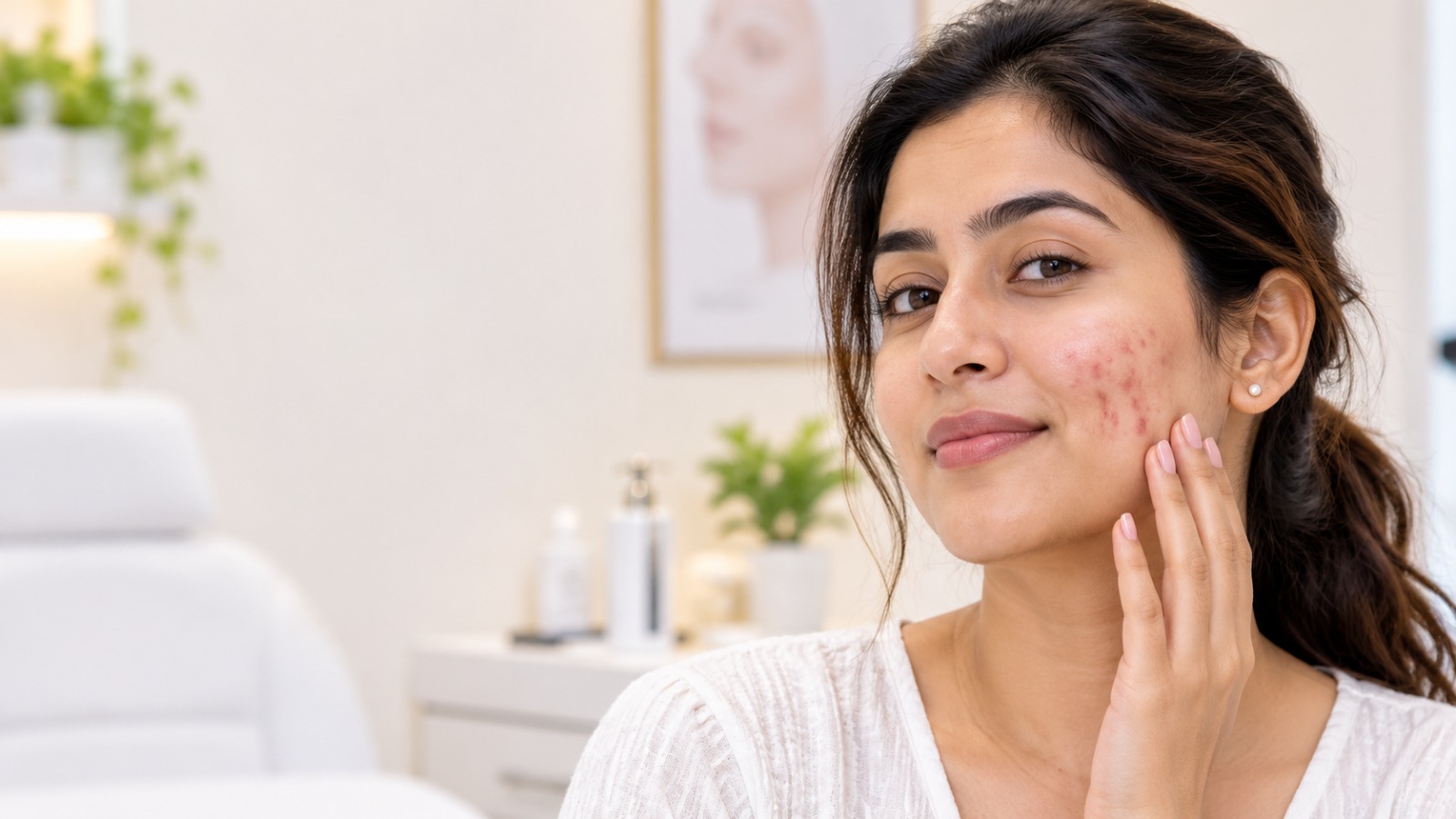
Acne is one of the most common skin concerns, and it does not affect teenagers alone. Many adults experience pimples, blackheads, whiteheads, acne marks and recurring breakouts even after their teenage years. Adult acne can affect both men and women and may develop due to hormonal changes, stress, excess oil production, unsuitable skincare products and other underlying factors.
Living in a busy city like Mumbai can also make maintaining a consistent skincare routine challenging. Heat, humidity, sweating, pollution and long working hours can add to everyday skin concerns.
If you are experiencing frequent breakouts or struggling with acne marks, understanding the possible causes is the first step towards choosing the right skincare approach.
At Dr. Pankti’s REVIVE Multi Speciality Clinic, we believe in understanding individual skin concerns and exploring suitable skincare solutions based on professional assessment.
What Is Adult Acne?
Adult acne refers to acne that continues beyond the teenage years or develops for the first time during adulthood. It can affect people in their 20s, 30s, 40s and even later in life.
Acne develops when hair follicles become clogged with excess oil (sebum) and dead skin cells. This can lead to different types of breakouts, including pimples, blackheads, whiteheads and deeper inflammatory spots.
Adult acne commonly appears on:
- Forehead
- Cheeks
- Chin and jawline
- Nose
- Neck
- Chest and back
Some people experience occasional breakouts, while others may struggle with recurring acne that leaves dark spots or scars.
What Are the Main Causes of Adult Acne?
Understanding the cause of acne is important because different factors may require different approaches.
1. Hormonal Changes
Hormonal fluctuations are a common factor associated with adult acne, particularly in women.
Changes during menstrual cycles, pregnancy, perimenopause and menopause can influence oil production. Increased oil production may contribute to clogged pores and breakouts.
Women who experience recurring acne around the chin and jawline may benefit from a professional skin assessment to understand possible contributing factors.
2. Stress and Lifestyle
Daily stress can influence the body’s hormonal responses and may worsen existing acne.
Irregular sleeping patterns, demanding work schedules and inconsistent self-care routines may also affect overall skin health.
Maintaining a balanced lifestyle and managing stress can support general skin wellness.
3. Excess Oil Production
The skin naturally produces oil to maintain its protective barrier. However, excess oil can combine with dead skin cells and contribute to clogged pores.
People with oily or combination skin may experience frequent breakouts, especially around the forehead, nose and chin.
4. Incorrect Skincare Products
Using unsuitable skincare products can irritate the skin or contribute to clogged pores.
Heavy creams, oily makeup and certain haircare products may worsen breakouts in acne-prone individuals.
Choose products labelled:
- Non-comedogenic
- Oil-free
- Non-acnegenic
These products are generally less likely to clog pores.
5. Environmental Factors
Mumbai’s humid weather, sweating and exposure to pollution can make skincare more challenging.
Sweat, excess oil and accumulated dirt can contribute to skin irritation, especially when combined with unsuitable skincare habits.
Gently cleansing the skin after sweating can help maintain a clean and comfortable skin surface.
Different Types of Adult Acne
Not every breakout is the same. Understanding the different types of acne can help you identify when professional evaluation may be useful.
1. Whiteheads
Whiteheads develop when pores become clogged with oil and dead skin cells. They appear as small, white or skin-coloured bumps.
2. Blackheads
Blackheads are open clogged pores that develop a dark appearance when the material inside the pore reacts with air. They are not simply dirt on the skin.
3. Papules
Papules are small, raised and inflamed bumps that may appear red or tender.
4. Pustules
Pustules are inflamed acne spots that contain visible pus. They often have a red base with a white or yellow centre.
5. Cystic or Nodular Acne
These are deeper and often painful forms of acne. They may increase the risk of long-lasting marks and scarring.
Deep, painful or recurring acne should be assessed by a qualified dermatologist rather than treated with random over-the-counter products.
How to Prevent Adult Acne: 7 Everyday Skincare Tips
Although acne cannot always be prevented completely, following a consistent skincare routine can help reduce irritation and support healthier-looking skin.
1. Cleanse Your Face Gently
Wash your face twice daily using a gentle cleanser suitable for your skin type. Cleanse after excessive sweating as well.
Avoid harsh scrubbing because it can irritate acne-prone skin.
2. Choose the Right Moisturiser
Even oily skin needs moisturisation. Choose a lightweight, non-comedogenic moisturiser that supports the skin barrier without feeling excessively greasy.
3. Apply Sunscreen Daily
Sun protection is an important part of everyday skincare.
Use a broad-spectrum sunscreen with SPF 30 or higher. Choose a formulation suitable for acne-prone skin and reapply as directed, especially when spending time outdoors.
4. Avoid Touching or Popping Pimples
Picking, squeezing or scratching acne can increase inflammation and the risk of dark marks and scars.
Allow the skin to heal naturally and seek professional advice when breakouts become persistent.
5. Maintain Clean Makeup Habits
Remove makeup before sleeping and clean makeup brushes regularly.
Avoid sharing personal skincare and makeup products.
6. Maintain Healthy Lifestyle Habits
Prioritise adequate sleep, balanced nutrition, hydration and regular physical activity.
These habits support overall wellness, although they are not a substitute for appropriate acne treatment.
7. Follow a Consistent Skincare Routine
Avoid changing multiple skincare products every few days.
Acne treatments often need several weeks to show improvement. Give an appropriate routine time to work and consult a dermatologist if your acne is worsening or not improving.
Professional Skin Care Solutions for Adult Acne
When acne continues despite basic skincare, professional evaluation can help identify the type of acne, its possible triggers and suitable treatment options.
Depending on the individual’s skin condition, a dermatologist may recommend:
1. Medical Acne Management
A dermatologist may recommend topical or oral treatments depending on acne severity, medical history and individual needs.
Treatment may focus on reducing inflammation, unclogging pores and preventing new breakouts.
2. Chemical Peels
Certain chemical peels may be considered for selected skin concerns, including clogged pores, uneven texture and post-acne marks.
The type of peel, its strength and suitability should always be decided by a qualified skin professional after assessing the individual’s skin.
3. Acne Scar Management
Acne scars can remain even after active breakouts have settled.
Different scar types require different approaches. Professional evaluation helps determine whether a particular skin procedure or other treatment may be appropriate.
4. Personalised Skin Care Guidance
Every individual’s skin is different. Factors such as skin type, acne severity, sensitivity, medical history and existing skincare habits should be considered before choosing a treatment plan.
Avoid choosing procedures only because they are popular online.
When Should You Consult a Skin Specialist?
Occasional pimples may improve with a suitable skincare routine. However, professional guidance is recommended if you experience:
- Frequent or recurring breakouts.
- Large, painful or deep pimples.
- Acne that leaves dark spots or scars.
- Acne that does not improve with regular skincare.
- Sudden or unexplained changes in your skin.
- Acne accompanied by other symptoms that may suggest a hormonal concern.
Early assessment can help identify the cause and reduce the risk of unnecessary skin irritation or long-term scarring.
Why Choose Dr. Pankti’s REVIVE for Skin Care Guidance in Mumbai?
Dr. Pankti’s REVIVE is a multi-speciality clinic offering services related to skin care, hair care, weight management and homeopathy.
The clinic focuses on understanding individual concerns and exploring suitable options based on professional assessment.
Our skin treatment services include options such as Hollywood Peel, laser scar removal, microdermabrasion and other skin-related procedures. Suitability depends on individual skin conditions and professional evaluation.
We serve patients across multiple Mumbai locations:
- Borivali: Skin care and consultation services.
- Kandivali: Personalised skin care guidance.
- Malad: Skin and beauty-related services.
- Goregaon: Skin care and treatment services.
Explore our Skin Treatment Services to learn more about the services available at Dr. Pankti’s REVIVE.
Frequently Asked Questions About Adult Acne
1. Can adults develop acne after the age of 30?
Yes. Acne can continue from teenage years or develop for the first time during adulthood. Hormonal changes, genetics, stress and skincare products may contribute.
2. Does Mumbai’s weather make acne worse?
Heat, humidity and sweating can make acne-prone skin more difficult to manage. Gentle cleansing and suitable skincare products can help maintain skin hygiene.
3. Can stress cause acne?
Stress may worsen existing acne by influencing hormonal responses and oil production. Managing stress can support overall skin health.
4. How long does acne treatment take to show results?
Results vary depending on acne severity and the treatment used. Some acne treatments may take around 6–8 weeks or longer to show noticeable improvement. Consistency and professional guidance are important.
5. Can acne marks disappear completely?
Some post-acne dark spots may gradually fade, while deeper scars can require professional treatment. The appropriate approach depends on the type and severity of the marks.
6. Is it safe to pop pimples?
No. Squeezing or picking pimples can increase inflammation and the risk of scarring and dark spots.
7. Which skincare products are suitable for acne-prone skin?
Gentle cleansers, lightweight moisturisers and non-comedogenic sunscreen are useful starting points. Specific products should be selected according to individual skin needs.
Conclusion
Adult acne is a common skin concern that can affect confidence and everyday comfort. However, understanding its possible causes and following a consistent skincare routine can help you make better decisions about your skin health.
Avoid experimenting with harsh products or unverified home remedies. If breakouts are persistent, painful or leaving scars, seek professional evaluation to understand the most suitable approach.
Take the first step towards healthier-looking skin with Dr. Pankti’s REVIVE Multi Speciality Clinic, Mumbai.
For appointments and enquiries, contact us today.
Call: +91 96197 58202
Website: https://www.drpanktisrevive.com/
Our Locations: Borivali | Kandivali | Malad | Goregaon, Mumbai
Medical Disclaimer: This article is intended for general educational purposes and does not replace professional medical advice, diagnosis or treatment. Individual results and treatment suitability may vary. Consult a qualified dermatologist for persistent or severe acne.